


What is our image of God? “You did it to me” | As I have loved you
Julian Paparella
Monday, March 2, 2026
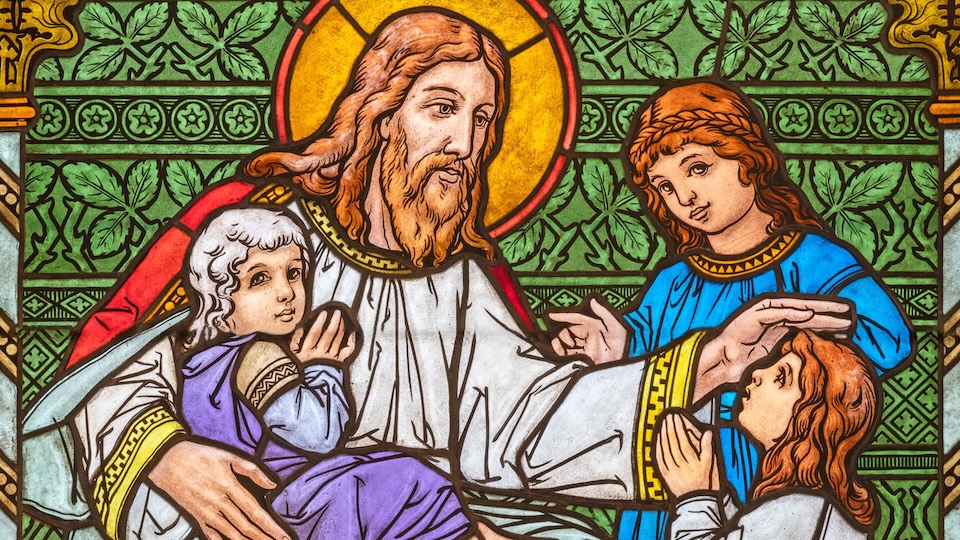
Photo by sedmak on iStock.
What is our image of God? “You did it to me”
A reflection on Chapter 2 of Dilexi Te
In last week’s reflection, we saw the multiple forms of poverty that Pope Leo XIV addresses in this first major document of his pontificate. Picking up where Pope Francis left off, Leo calls the entire Church to hear the cry of those who experience poverty in various ways. Chapter 2 of Dilexi Te focuses on the crucial theme of how God chooses the poor, and calls us to do likewise. A God who chooses the poor Time and time again, across the whole Bible, we find numerous examples of how God chooses the poor. During the time of the prophets in the Old Testament, God shows his greatest care to the most vulnerable populations: the widow and the orphan. From a Christian perspective, those who live in poverty, injustice, and marginalization are truly the apple of God’s eye. In Leo’s words, “God’s heart has a special place for the poor... The entire history of our redemption is marked by the presence of the poor” (#17). So, what does it mean that God chooses the poor? The fact that God “chooses the poor” does not mean that God decides who will be poor or not, or who will suffer or not for that matter. Rather, it means that God aligns himself with those who find themselves in situations of poverty, suffering, injustice, and exclusion. He is particularly close to them, he hears their cry, and he is in solidarity with them. This may clash with our own image of God if we imagine him as a harsh judge rather than a merciful saviour. As Pope Francis would often repeat, God’s style is closeness, tenderness, and compassion. God’s ways may seem in stark contrast with the world’s mentality. It would seem normal to prefer being stronger, richer, or more successful. This is certainly the message that our contemporary Western societies give us. But God’s logic is not the logic of the stock market. God does not have the greatest esteem for those who amass the most money or the most power. Rather, God loves littleness. God exalts humility. We can think of Mary’s great prayer, the Magnificat (Luke 1:46-55), in which she praises God who has “scattered the proud, cast down the mighty from their thrones, lifted up the lowly, filled the hungry with good things, and sent the rich away empty” (vv. 51-53) . These words may sound severe or revolutionary, but they give us a glimpse of reality from God’s point of view. God is not impressed by grandiose demonstrations of power and strength. True power, in God’s eyes, is love. And true strength is service. This was counter-intuitive and counter-cultural in Jesus’ time, and it continues to be so today. The question for us is: how can we let our relationships with those who have less than us be characterized by love and service?
Christ identifies personally with “the least of our brothers and sisters”
In Jesus, God comes to us in poverty. He is not a rich and powerful Messiah who comes to conquer humanity out of his sheer might. Jesus has humble beginnings, as a child from a family that is forced to flee their homeland, and lives among the working classes of the day. Jesus was never a wealthy man. He did not own land or have any worldly possessions. Rather, Jesus spent time with those who are outcast, and associated closely with those who were on the fringes of society. But that’s not all. At the heart of the Gospel is the profound truth that Jesus here and now identifies personally with “the least of our brothers and sisters” (Matthew. 25:40). Indeed, in Christ’s eyes, they are not in fact “the least.” Rather, the very people who are considered “the least” in the eyes of the world are the greatest in the mind and heart of Jesus. How can we let Jesus’ mentality influence and transform our own? How can we be open to encountering him in our brothers and sisters who are on the margins of society, those struggling to find housing, those who need help feeding their families? Jesus is waiting for us in those we often overlook, avoid, or ignore. Lord, You care for those who are in need, and You lift up those who are cast down. Change our hearts and renew our minds to see You in those brothers and sisters that You hold close to Your heart. Amen.
Share with friends:




Related Articles:
<<
SUPPORT LABEL
$50
$100
$150
$250
OTHER AMOUNT
DONATE
Receive our newsletters
Stay Connected


Receive our newsletters

Stay Connected