


The four types of novenas
Maria Montemayor
Friday, July 25, 2025

Photo by Peopleimages on iStock
When I was younger, my mother and her sisters would gather together with their families in August for a padasal (a Tagalog word to describe novena prayers, including the Rosary, for the dead), for the repose of the soul of their mother. Their mother (whose birthday was in August) passed away before I was born, so I never met her, but the gathering doubled as a celebration for her since we would eat food together after praying.
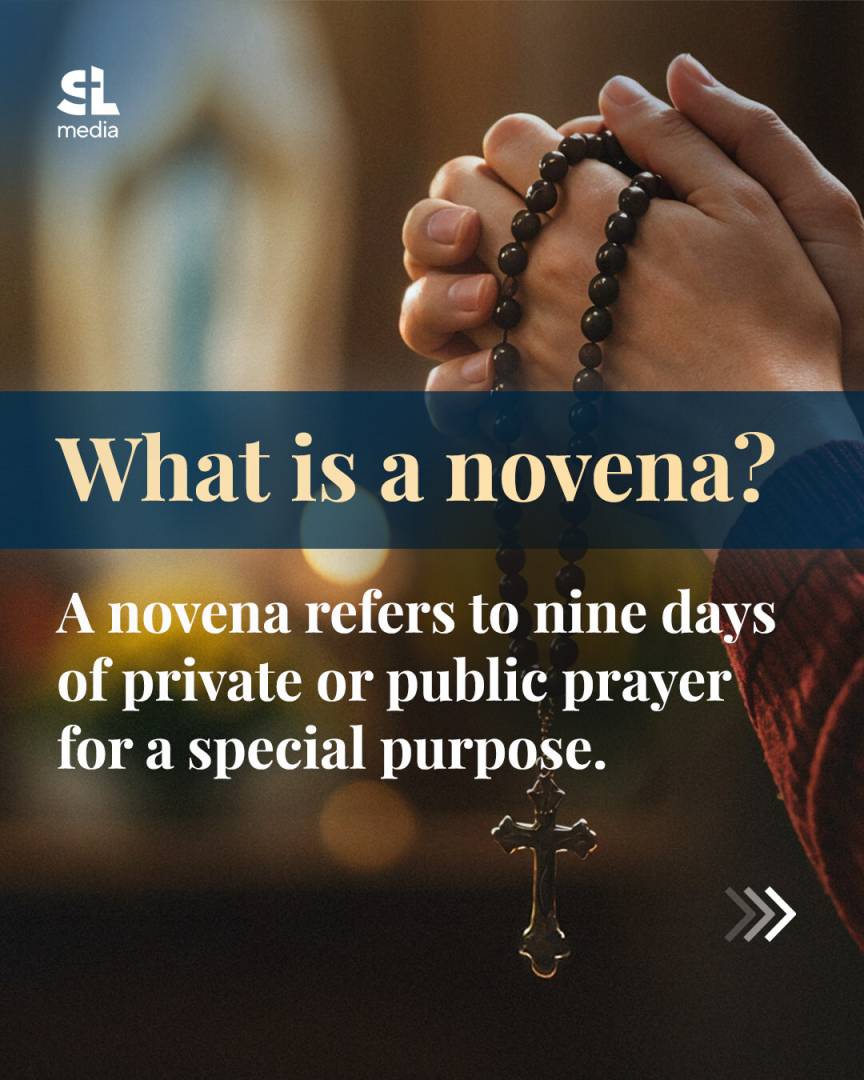
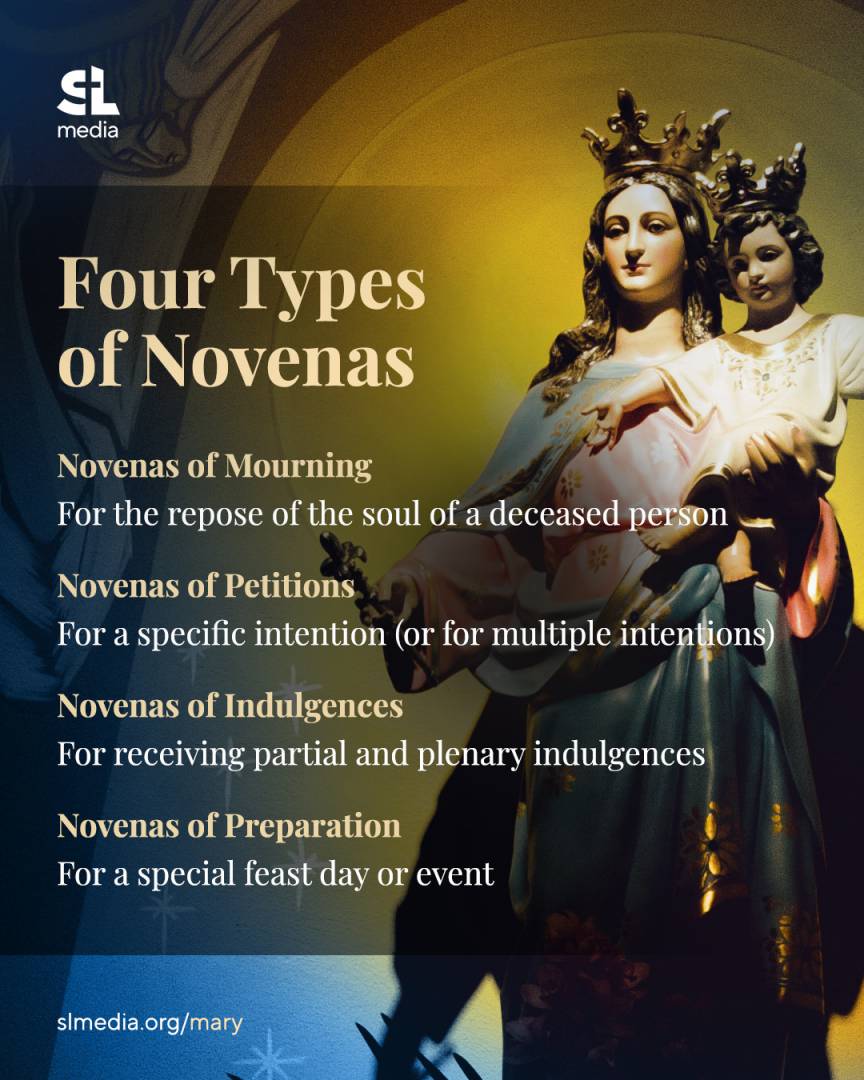
A novena (which comes from the Latin word novem, which means nine) refers to nine days of public or private prayer. They can be nine consecutive days of prayer or they could be nine first Fridays of the month for nine months, for instance. While an octave (eight days), has more of a festive association, a novena is more often characterized by hopeful mourning, yearning, and petitioning prayers. Traditionally, there are four types of novenas: novenas of mourning, novenas of preparation, novenas of petitions, and novenas of indulgences.
Novenas of Mourning
As Catholics, we believe that when someone dies, their soul goes to heaven, hell, or purgatory. Souls in purgatory need purification before they can reach heaven, and our prayers can help with that purification process. Novenas of mourning originated from an early Christian custom of offering nine days of prayers and Masses for the repose of a recently departed soul.
This type of novena can be started nine days before the anniversary of a deceased person's passing, nine days after a person dies, or any time. The padasal I used to participate in every year would be considered a novena of mourning. Even if we are not sure where the souls of our departed loved ones went, the Church encourages us to pray for them.
Novenas of Petition
Considered the most common type of novena, novenas of petition offer a special intention directly to God or ask for the intercession of a particular saint. For example, someone who is looking for work may pray a novena to St. Joseph the Worker, or someone seeking a spouse may pray a novena to St. Anne.
This type of novena doesn't need to include a formal set of prayers (for example, praying the Rosary every day) and the petition could be specific or general. For example, we
can pray for the health of a specific family member or for something more general, like peace in the Middle East. When praying this novena, we develop trust in whatever response we get by the end of the novena. Even if we don't get what we ask for (or if a response comes later than the ninth day of our novena), through prayer, we submit ourselves to God's will.
Novenas of Indulgences
Novenas of indulgences, also called novenas of penance, offer the opportunity to remove temporal punishment of sin. Even after attending Confession, not all temporal punishment of sin can be removed. Reciting more than 30 novenas gives someone the opportunity to receive partial indulgences (removes part of the temporal punishment due to sins) and plenary indulgences (removes all of the punishment), as granted by the Church.
Novenas of Preparation
Lastly, we have novenas of preparation. This type of novena is prayed in anticipation of a major feast day or an important event like a wedding or baptism. Novenas in preparation for Christmas developed in the Middle Ages: the nine days reflected the nine months that Mary was pregnant with Jesus.
Very soon, Salt + Light Media will be offering a special novena in preparation for a beautiful Marian feast day. We hope you’ll consider praying with us, whether it will be your first novena or one of many. Stay tuned on our website and social media pages for more details to come!
Novenas are an opportunity to be committed to daily prayer and a reminder to be steadfast in our relationship with God.
Share with friends:




Related Articles:
<<
SUPPORT LABEL
$50
$100
$150
$250
OTHER AMOUNT
DONATE
Receive our newsletters
Stay Connected


Receive our newsletters

Stay Connected